Why Mortgage Rates Can Rise When Global Events Flare Up (and what it means for you)
Why Mortgage Rates Can Rise When Global Events Flare Up (and what it means for you)u)

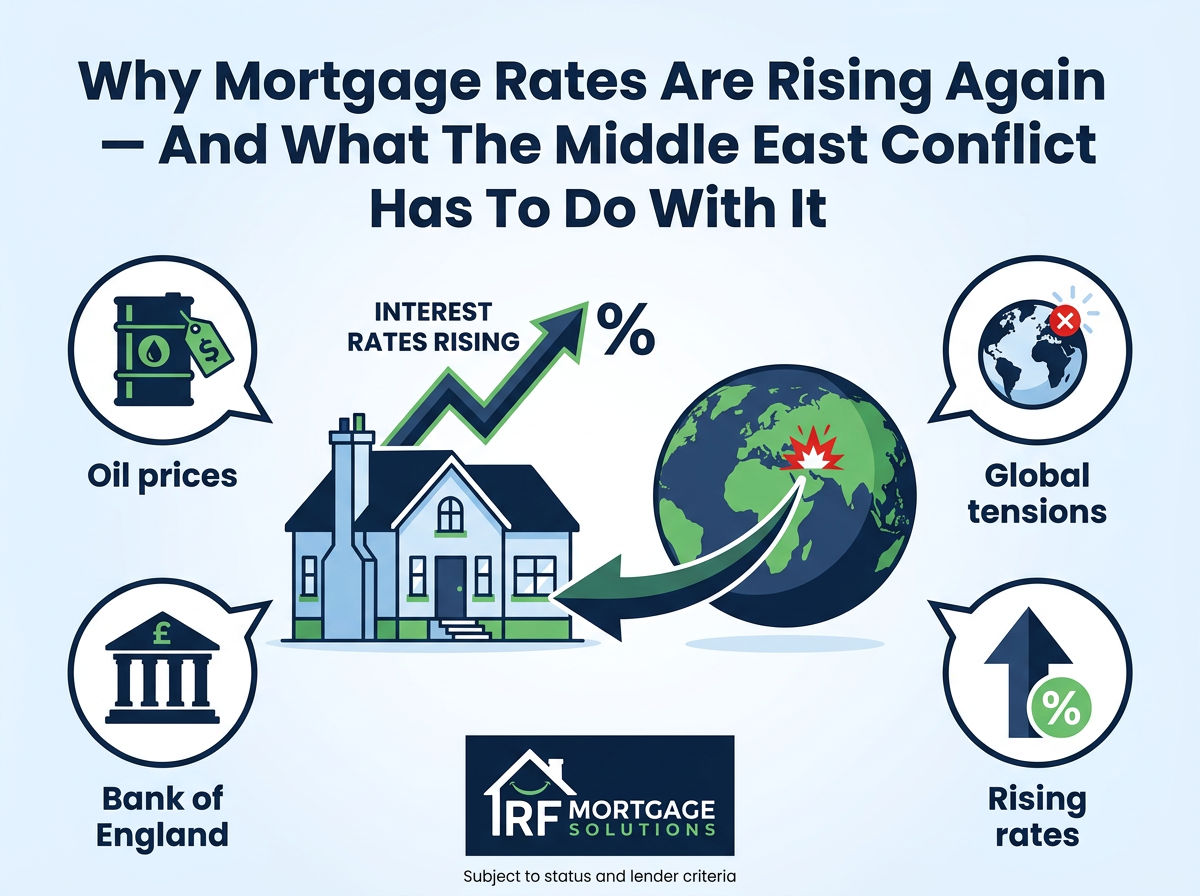
If you’ve noticed some UK lenders nudging fixed mortgage rates upwards recently, you’re not imagining it. Even when the Bank of England hasn’t changed the Base Rate, mortgage pricing can still move — and global events (including conflict in the Middle East) can be one of the triggers.
In this blog, I’ll explain what’s going on in plain English, why lenders often look to swap rates when setting fixed deals, how tracker mortgages work differently, and what to watch next from the Bank of England.
1) How conflict in the Middle East can feed into UK mortgage rates
When conflict escalates in a major oil- and gas-producing region, financial markets tend to get nervous — not just about the human impact (which is always the most important thing), but also about knock-on economic effects.
One of the big concerns is energy prices. If oil and gas prices rise and stay high, that can:
· Push up transport and production costs
· Filter through into the price of everyday goods
· Keep inflation higher than expected (or slow its fall)
And if inflation looks “stickier”, markets may start to believe the Bank of England will cut rates more slowly (or potentially pause cuts). BBC News has reported that lenders have linked recent mortgage rate increases to a “significant rise in swap rates” following global events, with experts warning that sustained high oil and gas prices could slow future rate cuts.
2) The key link: fixed mortgage rates and swap rates
Most fixed-rate mortgages are priced using something called swap rates.
What are swap rates (in normal language)?
Swap rates are a financial market benchmark that reflects what markets think will happen to interest rates over a set period (for example, two years or five years). In other words, swap rates are a kind of “market forecast” for where borrowing costs are heading.
BBC News explains that when setting mortgage rates, lenders are heavily influenced by swap rates, because they reflect the market’s view of where Bank of England interest rates may go.
Why do swap rates matter to lenders?
Lenders use swap rates to help manage the risk of lending money at a fixed rate for several years. If swap rates rise, the lender’s cost of offering fixed-rate lending typically rises too — and that can feed through into:
· Higher fixed mortgage rates
· Fewer “headline” low-rate deals
· Faster changes to product ranges (sometimes with little notice)
That’s why you can see fixed mortgage rates move even if the Base Rate hasn’t changed.
3) Fixed rates vs tracker rates: what’s the difference?
This is where it gets important, because not all mortgages respond to the same “inputs”.
Fixed-rate mortgages
· Your rate is set for a period (e.g., 2, 3, 5 or 10 years)
· Pricing is strongly influenced by swap rates
· Can change quickly when markets re-price future interest rate expectations
Tracker mortgages
· Your rate “tracks” the Bank of England Base Rate (plus the lender’s margin)
· If the Base Rate goes up, your payment usually goes up
· If the Base Rate goes down, your payment usually goes down
So, in simple terms:
· Fixed rates are often driven by what markets think will happen
· Trackers are driven by what the Bank of England actually does
4) What the Bank of England and the MPC actually do
The Bank of England Base Rate is set by the Monetary Policy Committee (MPC). Their job is to keep inflation under control (the UK target is 2% CPI inflation) while supporting a stable economy.
When inflation is high, the Bank tends to keep rates higher to cool demand. When inflation is falling and the economy is weaker, it may be able to cut rates.
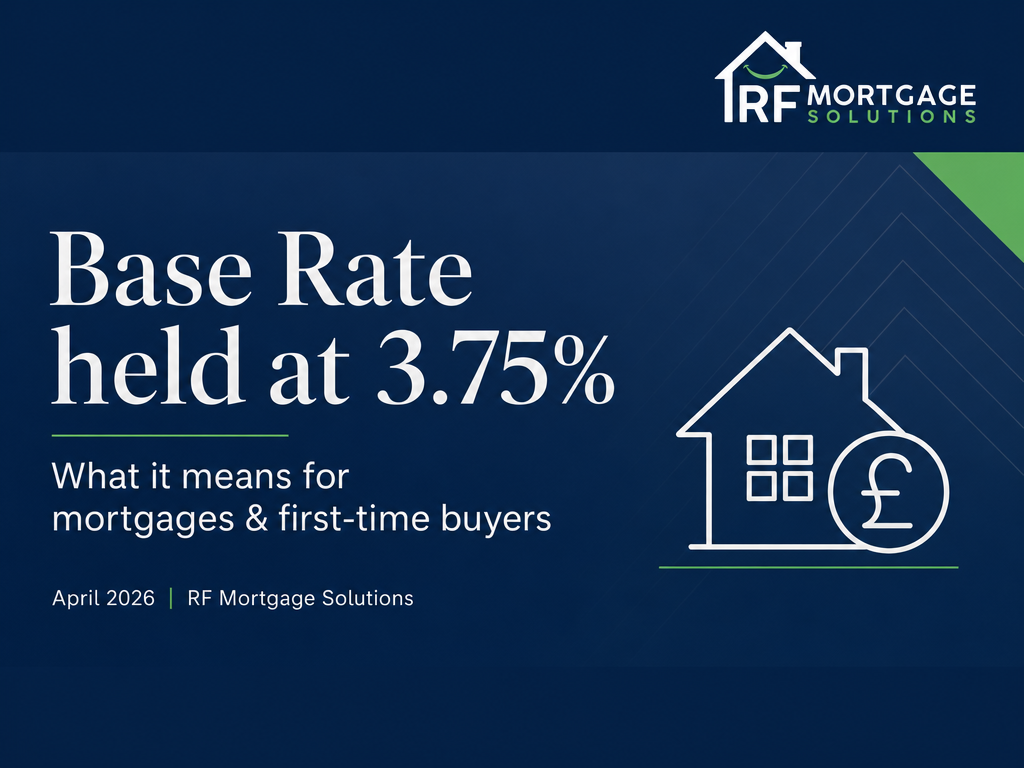
BBC News recently reported that the Bank held interest rates at 3.75% after a knife-edge 5–4 vote on the MPC — which matters because it shows the committee is not far away from cutting again if the data continues to improve.
5) Looking ahead: could we see a cut on 19 March?
With inflation expected to return to the Bank’s 2% target by “some point in the Spring” (as reported by the BBC), it’s understandable that many borrowers are watching the next decision closely.
The Bank of England’s next interest rate decision is due on 19 March.
Could we see a further cut? Possibly — especially given how close the last vote was — but it’s not guaranteed. Global events, energy prices, and the next set of inflation and wage data can all change the picture quickly.
So the honest answer is: we may see a further rate cut on 19 March, but time will tell.
6) What should you do if you’re due to remortgage soon?
Every situation is different, but here are a few sensible “next steps” to consider:
· If your fixed rate ends within the next 3–6 months, it’s worth reviewing your options early
· Many lenders allow you to secure a rate in advance, then switch if pricing improves before completion (subject to criteria and product rules)
· If you’re considering a tracker, make sure you’re comfortable with payments moving up and down
If you’d like, I can talk you through your options and help you weigh up the trade-offs — fixed vs tracker, shorter vs longer fixes, and how much certainty you want.
Questions? I’m happy to help
If you’ve got any questions about how swap rates work, what’s happening with fixed rates, or what the Bank of England might do next, reach out to me directly and I’ll give you a clear, no-pressure view of your options.
Important: This article is for general information only and isn’t personal financial advice. Mortgage rates and criteria can change quickly, and your options depend on your circumstances.