Why Mortgage Rates Are Rising Again — And What The Middle East Conflict Has To Do With It
Just a few months ago, the outlook for mortgage rates appeared far more positive.
Inflation was easing, the Bank of England looked increasingly likely to reduce interest rates during 2026, and many homeowners were hopeful that cheaper mortgage deals were finally on the horizon.
But over the past several weeks, the picture has changed significantly.
Following escalating conflict in the Middle East and disruption to global energy supplies, inflation risks have increased again — and mortgage lenders have reacted quickly.
So, what’s happening?
The conflict in the Middle East has caused a sharp rise in oil and gas prices globally.
One of the biggest concerns has been disruption around the Strait of Hormuz — one of the world’s most important energy shipping routes. As energy supplies have tightened, fuel and wholesale gas prices have surged.
That matters because higher energy costs eventually feed into:
- Petrol and diesel prices
- Household energy bills
- Food production and transport costs
- Business operating expenses
- Inflation across the wider economy
The Bank of England has already confirmed that inflation is now expected to remain higher for longer than previously anticipated.
In March 2026, inflation rose to 3.3%, and the Bank now expects inflation to increase further later this year.
Why does this affect mortgage rates?
Mortgage pricing is heavily influenced by:
- Inflation expectations
- Financial markets
- Future Bank of England interest rate expectations
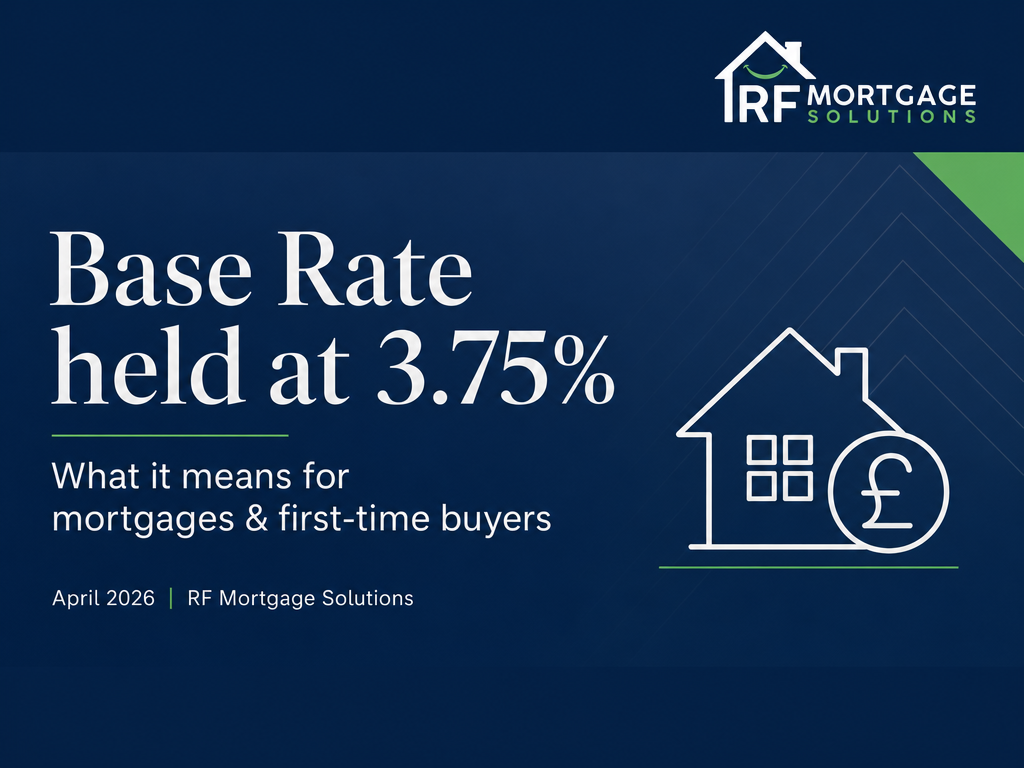
Even though the Bank of England has kept the base rate at 3.75% for now, lenders have already started increasing mortgage rates because markets are pricing in the risk that interest rates could stay higher for longer — or potentially rise again.
In fact, the Bank of England’s latest Monetary Policy Report confirmed that mortgage rates have already risen noticeably since February.
This is important because mortgage lenders do not simply wait for the Bank of England to change the base rate. They often react ahead of time based on market expectations.
Will the Bank of England reduce rates soon?
At the moment, a short-term reduction in the base rate looks less likely than it did earlier this year.
The Bank of England is now facing a difficult balancing act:
- Inflation is rising again
- But economic growth remains weak
If inflation continues to increase and becomes more persistent, the Bank may need to keep rates higher for longer — and another increase cannot be completely ruled out.
Equally, if the economy weakens sharply and inflation pressures ease, rates could still reduce later down the line.
However, the expectation of a steady downward path for interest rates has clearly been disrupted.
What should homeowners be thinking about?
If your mortgage deal is due to expire this year or next, this is not the sort of market where “waiting and seeing” is necessarily the safest strategy.
Mortgage rates can move quickly when financial markets become volatile — and we are already seeing lenders reprice products upwards.
That does not mean panic.
But it does mean it is sensible to:
- Review your mortgage early
- Understand your options
- Consider securing rates in advance where appropriate
- Make sure you have a clear strategy before your current deal ends
Every situation is different, and the right solution will depend on your personal circumstances, future plans, and attitude towards risk.
Final Thoughts
The global situation has changed the outlook for inflation and interest rates significantly over a relatively short period of time.
While nobody can predict exactly what will happen next, one thing is clear:
The assumption that mortgage rates would steadily fall throughout 2026 is no longer guaranteed.
Now more than ever, proactive mortgage advice matters.
If your mortgage deal is ending soon, or you would simply like to review your options and understand what this means for you, feel free to get in touch.
Richard Forgione — Mortgage & Protection Adviser, Founder & Director at RF Mortgage Solutions
With more than 30 years' experience in financial services and over 15 years specialising in mortgage advice, Richard helps first-time buyers, home movers, homeowners, landlords, self-employed clients and those with more complex mortgage needs across Kent and nationwide.